


Blog Summary Acid reflux and GERD can repeatedly expose your teeth to stomach acid, weakening enamel and increasing the risk of tooth erosion. Learn how acid reflux affects your teeth, the signs of dental erosion to watch for, ways to protect your enamel, and treatment options for restoring damaged teeth.
Your tooth enamel is incredible. It's the strongest substance in your entire body, acting as a powerful shield for the inner parts of your teeth.1 This protective outer layer is what gives your smile its beautiful, bright appearance and keeps it safe from harm. Even though it's tough, enamel can be worn down by a process called tooth erosion.3 Let's explore what that means for your smile and how you can keep it shining bright!
What Is Tooth Erosion?
Tooth erosion is the process of the gradual wear and tear of the enamel. Foods, drinks, and poor dental habits can slowly erode a tooth's enamel over time. Patients who prefer highly acidic foods, such as sodas, citrus fruit, and fruit juices, may experience dental erosion more quickly due to the frequent exposure to acidity in the mouth.
What is acid reflux? Acid reflux is the actual backward flow of stomach acid into the throat and mouth. People who suffer from acid reflux, either occasionally or chronically, are also at risk of rapid tooth erosion because of the repeated acidic exposure.
What is GERD? Gastroesophageal reflux disease (GERD) is a condition that causes gastric contents to back up into the esophagus, the mouth, or both, even during sleep. An estimated 20% of Americans suffer from this disease. 2 This regular regurgitation of stomach acid not only erodes teeth but also damages the cells in the esophagus.
Understanding the causes and symptoms of acid reflux helps stop the acid erosion, so the tooth enamel stays healthy and strong.
The Link Between Acid Reflux and Dental Erosion
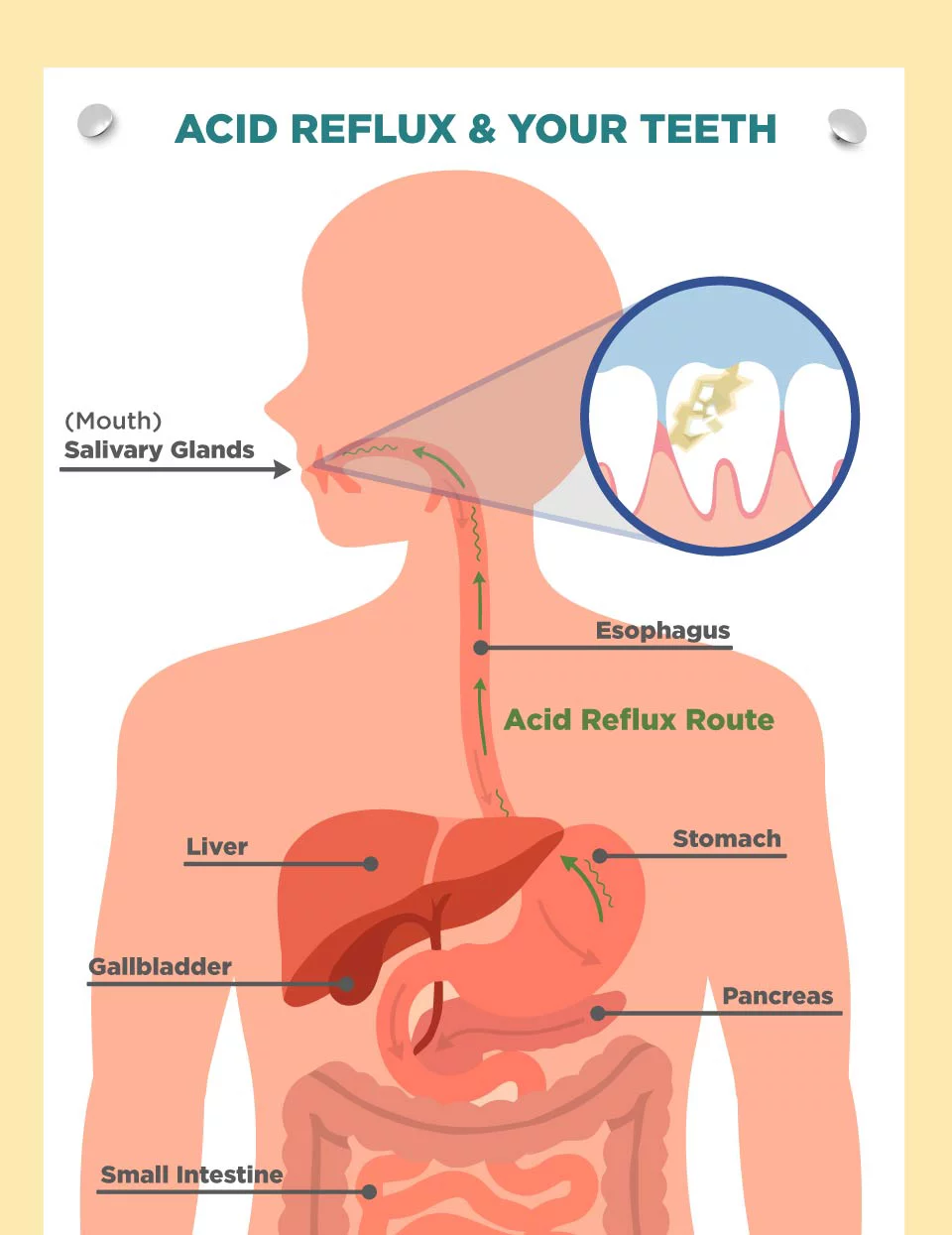
When it comes to digestion, the digestive tract is a one-way street. The mouth, throat, esophagus, and stomach all play a significant role in digestion. But when either lifestyle choices or a broken mechanism in the esophagus causes stomach acid to go the wrong way up the digestive tract, it can lead to some uncomfortable and permanently damaging side effects.
One of the main gatekeepers that prevents stomach acid from creeping up the throat and into the mouth is the lower esophageal sphincter (LES). While it opens and closes when a person swallows to let food or liquid into the stomach, it also opens when a person belches or has the hiccups. If the esophageal sphincter doesn't function properly or is too relaxed, it can let stomach acid up into the esophagus or into the mouth.
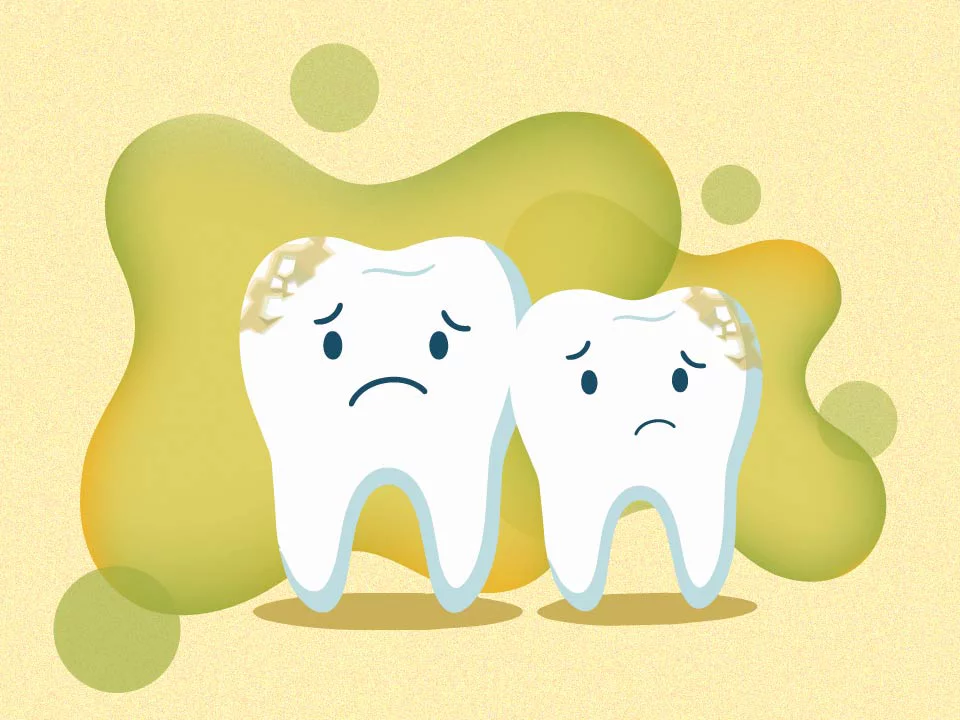
When teeth are continually exposed to stomach acid, whether from GERD or diet-related heartburn, the enamel softens or wears down, leading to tooth erosion.
Are Your Teeth Showing Signs of Erosion?
Because tooth erosion happens on the surface, you may notice some changes in your smile. Being aware of these signs is the first step toward taking action. Keep an eye out for:
- Sensitivity to hot and cold
- Aching teeth
- Teeth chipping or breaking
- Discoloration
- Teeth appear shorter due to being worn away
- Appearance of sharp edges on teeth
- Tooth cupping, or small indentations, on the chewing surface
If you're noticing any of these symptoms and have been diagnosed with GERD, it's a great time to chat with a Smile Generation®-trusted dentist about protecting your teeth. If you haven't been diagnosed but experience frequent acid reflux along with these dental changes, it could be a signal from your body to explore your dietary habits or talk with your doctor.
Steps to Protect Your Teeth
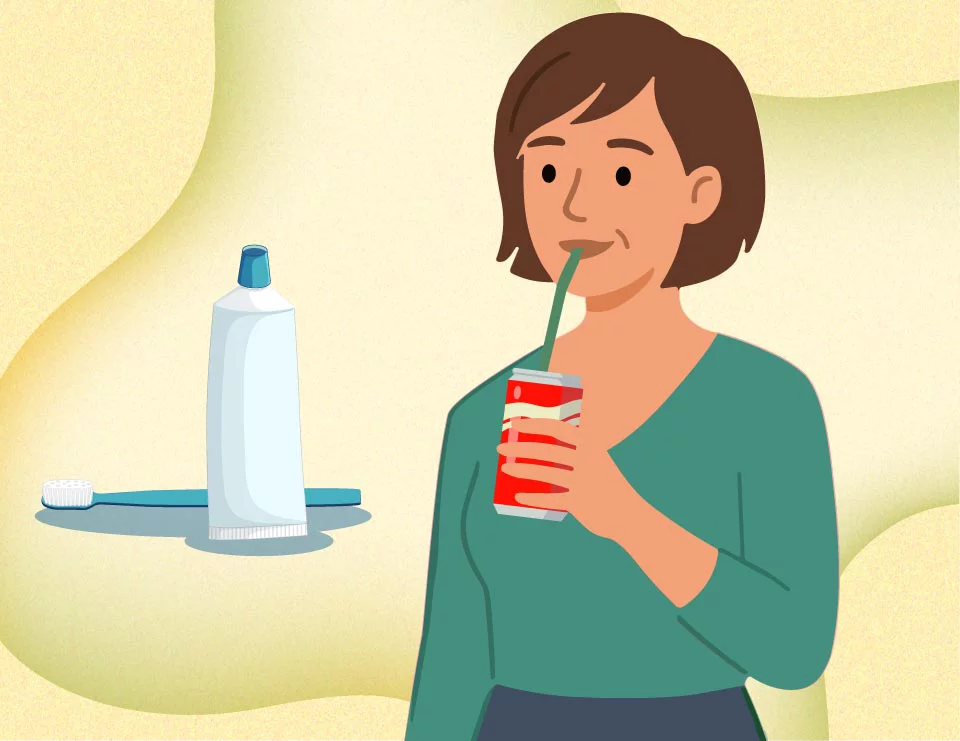
Ready to take charge and stop erosion in its tracks? The best approach is to manage the acid reflux itself while giving your teeth some extra love. You have the power to make positive changes that will protect your smile for years to come. Here are some habits to adopt:
- Use fluoride toothpaste that rebuilds enamel
- Wait 30 minutes after eating to brush your teeth
- Rinse your mouth with water after eating
- Limit the number of acidic or sugary foods you consume
- Avoid or reduce drinking alcohol
- Chew gum after meals to increase saliva production
- Maintain basic dental hygiene habits like brushing twice a day, flossing, and keeping regular checkups with your dentist
While you can't regrow lost enamel, these lifestyle and dietary choices are key to preventing further damage. By managing acid reflux, you're strengthening your remaining enamel and investing in your long-term health.
Can Tooth Erosion Be Fixed?
If tooth erosion is still in its early stages, your dentist may recommend a topical fluoride treatment to reduce the damage. For more advanced cases, there are innovative options:
- Dental Bonding: A tooth-colored resin can be applied to cover and protect the eroded areas. Your dentist skillfully molds it to blend seamlessly with your natural tooth.
- Veneers: For more significant cosmetic concerns, porcelain veneers are a fantastic choice. These thin, custom-made shells are placed over the front of your teeth, creating a flawless, natural-looking smile.
- Dental Crowns: If a tooth is severely worn down, a crown can be placed over it like a protective cap. This not only restores the tooth's shape and function but also shields the vulnerable inner layers from further harm.
By catching the signs early and working with your dentist, you can prevent further erosion and keep your teeth strong for years to come. Find a Smile Generation®-trusted dentist near you to schedule your next appointment.
Stay ahead — your future smile will thank you.
Find your trusted, local dentist today!
Smile Generation blog articles are reviewed by a licensed dental professional before publishing. However, we present this information for educational purposes only with the intent to promote readers’ understanding of oral health and oral healthcare treatment options and technology. We do not intend for our blog content to substitute for professional dental care and clinical advice, diagnosis, or treatment planning provided by a licensed dental professional. Smile Generation always recommends seeking the advice of a dentist, physician, or other licensed healthcare professional for a dental or medical condition or treatment.
Frequently Asked Questions
Acid reflux can have several triggers. Sometimes, it's caused by a physical issue in the esophagus. Other contributing factors include:
- Eating a heavy meal
- Lying down before your food has fully digested
- Obesity
- Pregnancy
- Hiatal hernia
- Eating spicy or acidic foods
- Taking certain medication
- Athletic or strenuous activity, leading to a decrease in saliva production
Tooth erosion isn't contagious, so it won't "spread" from tooth to tooth like a cold. However, if the root cause, acid reflux, isn't addressed, the erosion on an affected tooth can worsen, and other teeth can also become affected over time.3
While heartburn only lasts for a few minutes and in some cases a few hours, consistent bouts of acid reflux over a long period of time can cause permanent damage. 4 Chronic acid reflux, causing heartburn a few times a week, that lasts over a three-year span, should be managed with more than an over-the-counter antacid. 5 An endoscopy can be used to check the cells in the esophagus to determine if they have been changed by frequent contact with stomach acid or show pre-cancerous signs.5
Sources
[1] Rosemann, Caitlin, Cavities: What are They and How Do We Prevent Them? American Dental Association, Oct. 30, 2025, https://www.mouthhealthy.org/dental-care/how-do-we-prevent-cavities
[2] Acid Reflux / GERD (Gastroesophageal Reflux Disease), American College of Gastroenterology, Oct. 30, 2025, https://gi.org/topics/acid-reflux/
[3] Dental Erosion, American Dental Association, Oct. 22, 2025, https://www.ada.org/resources/ada-library/oral-health-topics/dental-erosion
[4] What is heartburn?, American Academy Of Family Physicians, Nov. 1, 2023, https://familydoctor.org/condition/heartburn/
[5] Chronic Heartburn, https://www.rush.edu/news/chronic-heartburn, Rush EDU, Oct. 30, 2025