


Blog Summary Mouth taping is a popular sleep trend designed to encourage nasal breathing, but does it actually work? Learn about the potential benefits and risks of mouth tape, who should avoid it, and safer alternatives for addressing nighttime mouth breathing.
Take a breath. Did you breathe in through your nose or your mouth? According to a recent survey of over a thousand adults in the US, 61% are self-declared mouth breathers.1 We can all agree that breathing, no matter how you do it, is essential to life. But there is some discussion about the proper way to take a breath and how it can affect your health.
While breathing through the nose has had several reported health benefits, should you go as far as to tape your mouth while sleeping? We will explore what mouth taping does and decide whether it is safe and if it delivers the desired results.
What Is Mouth Taping?
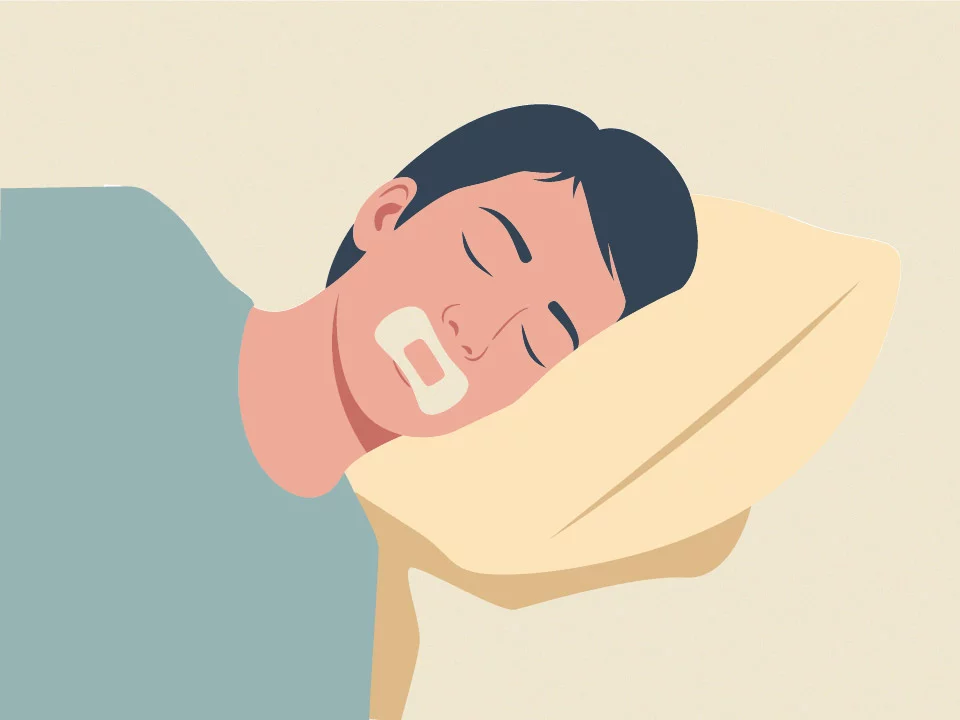
Mouth taping is the new trend of literally taping the mouth shut to encourage breathing through the nasal airway instead of through the mouth.
Seasonal allergies, deviated septa, or obstructive sleep apnea can all contribute to the need to breathe through your mouth while sleeping.2 But sleeping with your mouth open on a frequent basis has been linked to many adverse conditions, while breathing through your nose has many benefits. Let's discuss both.
Does Mouth Tape Work? The Potential Benefits
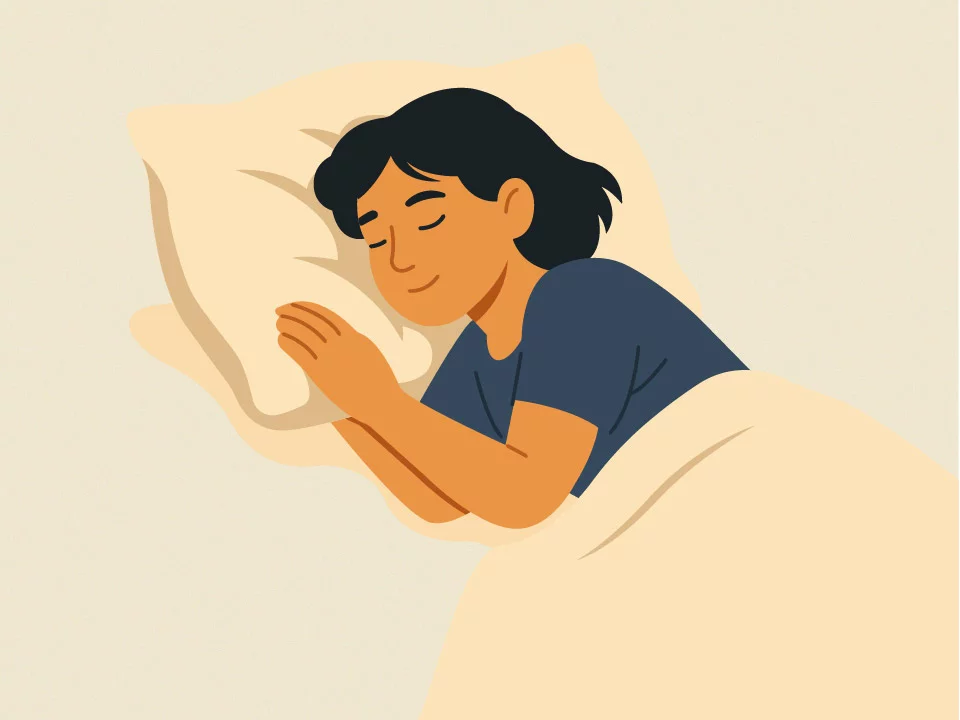
Sleeping with your mouth closed has many advantages, such as naturally filtering the air you take in through the hairs that line the inside of your nose and improving your overall sleep quality by naturally humidifying the air you breathe. Nasal breathing also keeps your mouth from drying out, which can lead to several different negative effects on your teeth, gums, and general oral health. Saliva is a crucial part of the body's defense against harmful bacteria in the mouth by washing the microbes away. This important job prevents bacteria from settling on the teeth, causing tooth decay and gum disease.3
Many people want to know how to stop mouth breathing at night, so they turn to taping their mouths to avoid snoring, bad breath, and tiredness during the day. While the benefits of nasal breathing are substantial, does mouth tape work?
A review of nine mouth-taping studies, which met the inclusion and exclusion criteria, found that while there is some evidence that indicates that mouth taping reduces snoring and improves obstructive sleep apnea symptoms, there is little consensus across these studies of mouth tape benefits.4
Because research is still limited, it's best to talk to your care professional about what's causing your mouth breathing and whether mouth taping is an appropriate option.
Many people want to know how to stop mouth breathing at night, so they turn to taping their mouths to avoid snoring, bad breath, and tiredness during the day. While the benefits of nasal breathing are substantial, does mouth tape work?
Is Mouth Taping Safe? Understanding the Risks
In general, mouth taping is safe, but it does hold a few risks that should be considered before you try it. Before you tape your mouth closed, evaluate your ability to breathe through your nose. By taping your mouth, you are essentially removing the second airway in which to take in oxygen. If your nasal passages are blocked because of congestion, asthma, some sort of obstruction, or you have been diagnosed with sleep apnea, mouth taping could reduce your body's ability to inhale the amount of oxygen you need.
Other cons of mouth taping involve the tape itself. While there aren't any approved guidelines since mouth taping doesn't have any official stamp of approval from the medical community, certain tapes use adhesives that can irritate your skin or even cause an allergic reaction.
How to Stop Mouth Breathing and Try Mouth Tape Safely
If you want to try mouth taping, the best advice is to first ask your doctor or otolaryngologist, who can give you specific information pertaining to conditions you may have while also considering your physiological make-up. Once you get the go-ahead, choosing the right kind of tape can help you get the best results without causing irritation. Choose a tape that is:
- Skin-safe or medical-grade
- Porous
- Flexible
- Hypoallergenic
Before committing to a full night's sleep with the mouth tape, wear the tape over your lips for a few hours during the day. If you find it difficult to breathe, you may want to reconsider sleeping with it on.
When applying the tape before bed, be sure that you have thoroughly cleaned your teeth first. Regular oral hygiene is crucial for keeping your teeth and gums healthy.
You can place the tape vertically over your top and lower lips while leaving the corners of your mouth untaped, or you can tape horizontally across your lips, completely covering your mouth, whichever way feels more comfortable. If any irritation occurs, discontinue use.
If you don't like using mouth tape, an oral appliance prescribed by a sleep specialist or a dentist could be another way to discourage mouth breathing while you sleep. Find a Smile Generation®-trusted office near you to make an appointment.
Find your trusted, local dentist today!
Smile Generation blog articles are reviewed by a licensed dental professional before publishing. However, we present this information for educational purposes only with the intent to promote readers’ understanding of oral health and oral healthcare treatment options and technology. We do not intend for our blog content to substitute for professional dental care and clinical advice, diagnosis, or treatment planning provided by a licensed dental professional. Smile Generation always recommends seeking the advice of a dentist, physician, or other licensed healthcare professional for a dental or medical condition or treatment.
Sources:
[1] New Survey Takes A Peek Into Americans' Bedrooms To Reveal What's Keeping People Awake: Mouth Breathing, PR Newswire, Mar. 4, 2015, https://www.prnewswire.com/news-releases/new-survey-takes-a-peek-into-americans-bedrooms-to-reveal-whats-keeping-people-awake-mouth-breathing-300044836.html
[2] Keep Your Mouth Shut (At Night), AAOA, Feb. 4, 2025, https://www.aaoallergy.org/keep-your-mouth-shut-at-night/
[3] Protect Surfaces from Colonization by Cariogenic Bacteria, NIH, Dec. 11, 2014, https://pmc.ncbi.nlm.nih.gov/articles/PMC4272720/
[4] Nocturnal Mouth-taping and Social Media: A Scoping Review of the Evidence, Science Direct, Feb. 2025, https://www.sciencedirect.com/science/article/pii/S0196070924003314
[5] The Impact of Mouth Breathing on Dentofacial Development: A Concise Review, NIH, Sep. 8, 2022, https://pmc.ncbi.nlm.nih.gov/articles/PMC9498581/
Frequently Asked Questions About Mouth Taping
Mouth breathing can negatively affect your upper and lower jaw, especially for children as they grow.5 A receding chin and a narrow upper palate can cause significant changes in the structure of the face.
If mouth taping successfully helps you breathe through your nose instead of your mouth while sleeping, it can help strengthen weak facial muscles, but it may not necessarily improve your jawline. Health should always be the top priority.
Those with chronic allergies, nasal polyps, a deviated septum, diagnosed sleep apnea, asthma, or anything else that makes it difficult to take in oxygen when their mouth is closed should not use mouth tape while they sleep.
There can be several reasons why you open your mouth while you sleep. If you have an obstruction due to a structural abnormality or an injury, or if you have been diagnosed with sleep apnea, keeping your mouth open may be the best way for you to breathe.
Temporary factors such as nasal congestion, seasonal allergies, and sleeping on your back can also cause you to open your mouth while sleeping. Even after a cold or sinus infection, you can develop the habit of sleeping with your mouth open, even though the initial cause is no longer present.
Most dentists do not recommend mouth taping because there is limited research supporting its benefits. In general, both dentists and doctors alike advise caution for anyone considering it. Beyond the potential risks discussed earlier in this article, leaving the underlying cause of mouth breathing unaddressed can also be harmful.
There is no set amount of time to keep your mouth taped, but the general idea is to tape it while you sleep.
If you’re using mouth tape to break the habit of mouth breathing during sleep, anecdotal reports suggest that four to six weeks may be enough time to help retrain nasal breathing. However, if the root cause of mouth breathing persists, mouth taping may not be effective.
Some doctors may recommend a chin strap to patients who lightly snore or to those using a CPAP machine. As with mouth tape, results vary. Some think that chin straps are safer because it is easier to breathe through the mouth if nasal breathing isn't enough. This differs from mouth tape, which can completely prevent mouth breathing depending on how you apply it.
However, chin straps have drawbacks, including discomfort and even headaches.
Some athletes try various methods to improve performance and gain an edge over their competitors. Although strong scientific evidence remains limited, some high-level athletes say using mouth tape improves their sleep quality, daytime focus, and overall recovery.