


Blog Summary Navigating the world of tooth replacement can feel like learning a new language. You might hear terms like "zygomatic" or "osseointegration" and feel a bit overwhelmed. We're here to help make sense of it all. Understanding your options is the first step. This guide explores the different types of dental implants available, from single-tooth solutions to full-mouth restorations. We’ll explain how each type works, who they're best for, and outline what to expect during the implant process so you can feel confident in your treatment choice. Let's take a closer look at what's ahead for your oral health.
What Are Dental Implants?
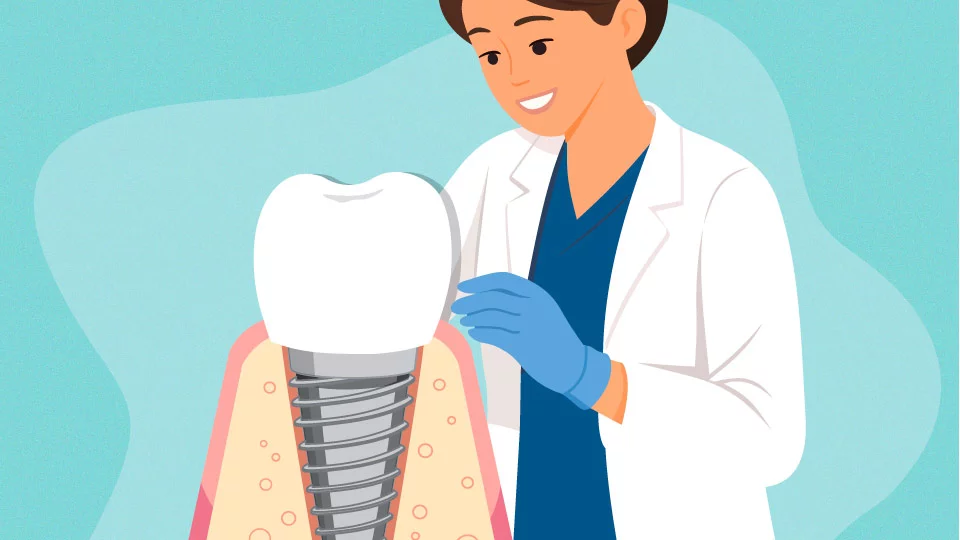
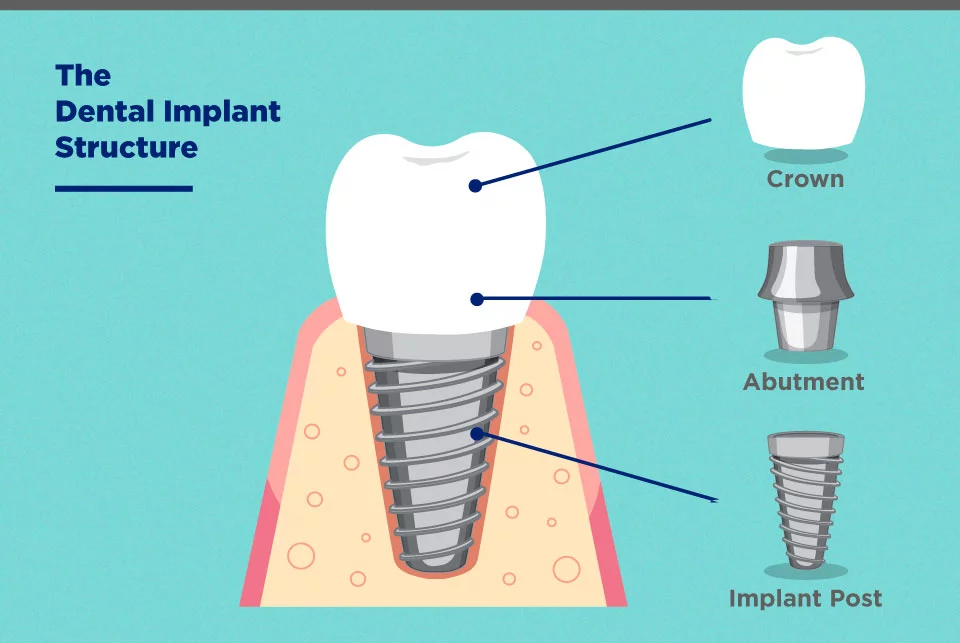
Before we jump into the specific types, let's clarify what a dental implant actually is. It's a medical device surgically placed in the jaw to restore chewing function, support artificial teeth, and improve appearance. Each implant acts like a replacement tooth root and is designed to fuse with the jawbone. This process is called osseointegration, and it creates a stable base for a crown, bridge, or denture.1
A dental implant system typically has three parts: the implant post placed in the jawbone, the abutment that connects above the gumline, and the prosthesis (artificial tooth or teeth) that you see when you smile.2 When cared for with good oral hygiene and regular dental visits, dental implants are an excellent long-term solution for tooth replacement.
Endosteal Dental Implants
When you hear "dental implant," this is likely what is being described. Endosteal implants are the most common type of dental implant used today. They are surgically placed directly into the jawbone and are usually made of titanium or titanium alloys because these materials are biocompatible and integrate well with bone. After healing, an abutment is attached, and a crown, bridge, or denture is secured on top.
Endosteal implants are ideal if you have a generally healthy jawbone and good overall oral health.3 The process requires a bit of patience, often taking several months to allow for osseointegration, but the result is a stable, strong foundation for your new teeth.
Single vs. Full Implants
One of the best things about dental implant technology is its versatility. Whether you have one missing tooth or need a complete transformation, there is a configuration that works.
• Single-tooth implant: Replaces one missing tooth with one implant and one crown, without shaping or relying on adjacent teeth like a traditional bridge.
• Multiple individual implants: Separate implants and crowns can replace several teeth in different parts of the mouth.
• Full-mouth dental implants: Several implants in the upper and/or lower jaw support a full arch of prosthetic teeth, often replacing traditional removable dentures.
The American College of Prosthodontists notes that millions of Americans are missing at least one tooth. Estimates indicate that more than 2.3 million dental implants are placed in the United States every year.4 These numbers demonstrate that there is a growing demand for stable, long-term tooth replacement solutions. For many patients, full-mouth options offer better chewing, speech, and comfort compared with removable dentures.
All-on-4 Dental Implants
The All-on-4 system supports a full arch of teeth using just four implants per jaw. Two implants are placed near the front of the jaw, and two are angled in the back to maximize use of available bone and often avoid sinus lifts or extensive bone grafting.5
With All-on-4, temporary fixed teeth are often placed the same day as the implants, and the final restoration is added after healing. This option is popular for people who currently wear removable dentures or have many failing teeth, because it offers improved stability, chewing function, and confidence compared with traditional dentures.6
Implant-Supported Bridge
What if you are missing three or four teeth in a row? You don’t necessarily need an implant for every single missing tooth. An implant-supported bridge uses a few implants to support a bridge of several teeth.
This option is helpful when you are missing multiple adjacent teeth, want to avoid a removable partial denture, or do not want as many surgical sites as individual implants for each tooth. Implant-supported bridges can prevent shifting of nearby teeth, support the bite, and reduce bone loss in the area by stimulating the jawbone where the implants are placed.8
Immediate-Load Implants
Also known as “same-day implants,” immediate-load implants allow for a temporary crown or full-arch prosthesis on the same day the implants are inserted. You walk out of the office with a healthier smile while your mouth heals.
Not everyone is a candidate for immediate-load implants. Your bone quality, bite forces, and overall health must support stable initial implant placement. When used appropriately, immediate-load protocols can shorten treatment time and improve comfort, while still relying on osseointegration over the next several months for long-term success.
Costs, Success Rates, and Safety
How Much Do Dental Implants Cost?
Costs vary widely depending on your location, the number of implants, the need for bone grafts or sinus lifts, and the type of prosthesis used. Current national estimates suggest:
• Single dental implant with crown: $3,000–$7,000 per tooth.10
• Implant-supported bridge or partial restoration: $2,000 to $5,000 and up, depending on the number of implants and teeth replaced.10
• Full mouth dental implants or All-on-4 type solutions: varies based on each patient's individual needs, but it's best viewed as a long-term investment in their overall health and quality of life.
Dental implants are costly and often long-lasting investments in oral health. A Smile Generation®-trusted office can help with flexible payment options or financing to make implants more accessible.
Success Rates and Safety
Dental implants have a success rate of over 90% when placed by trained professionals.11 especially for endosteal implants in non-smoking patients with good oral hygiene.
The FDA regulates dental implants as medical devices and reviews them for safety and performance before they can be marketed. As with any surgical procedure, there are risks. These risks include infection, nerve injury, and sinus complications. The good news is that careful planning, 3D imaging, and close collaboration with your dental team help minimize these risks.
Find a Smile Generation®-trusted office to discuss your options and schedule a consultation today.
Find your trusted, local dentist today!
Smile Generation blog articles are reviewed by a licensed dental professional before publishing. However, we present this information for educational purposes only with the intent to promote readers’ understanding of oral health and oral healthcare treatment options and technology. We do not intend for our blog content to substitute for professional dental care and clinical advice, diagnosis, or treatment planning provided by a licensed dental professional. Smile Generation always recommends seeking the advice of a dentist, physician, or other licensed healthcare professional for a dental or medical condition or treatment.
FAQs About Types of Dental Implants
The three primary types are endosteal (placed in the jawbone), subperiosteal (on top of the bone, under the gums), and zygomatic (anchored in the cheekbone for severe bone loss cases).
A single dental implant with a crown can cost $3,000–$7,000, while full-mouth solutions vary based on each patient's individual needs, but it's best viewed as a long-term investment in their overall health and quality of life.
For most patients with a healthy jawbone, endosteal implants are considered the standard because of their strong long-term success and versatility.6
The total cost depends on how many teeth are replaced, whether grafting is required, and the type of prosthesis. Your Smile Generation®-trusted dentist can provide a personalized estimate after an exam and imaging.
Endosteal titanium implants are the most widely used design, and systems from established manufacturers are commonly chosen for their research-backed performance and wide range of components.6
Sources:
[1] MouthHealthy, American Dental Association. “Implants.” Available from: https://www.mouthhealthy.org/all-topics-a-z/implants. Accessed 22 Nov. 2025.
[2] U.S. Food and Drug Administration. “Dental Implants: What You Should Know.” Available from: https://www.fda.gov/medical-devices/dental-devices/dental-implants-what-you-should-know. Accessed 22 Nov. 2025.
[3] American Academy of Periodontology. “Dental Implant Procedures.” Avalable from: https://www.perio.org/for-patients/periodontal-treatments-and-procedures/dental-implant-procedures/. Accessed 27 Nov. 2025
[4] American College of Prosthodontists. “Facts & Figures.” GoToAPro. Available from: https://www.gotoapro.org/facts-figures/. Accessed 22 Nov. 2025.
[5] Grandi, T., et al. “Rehabilitation of the Completely Edentulous Mandible by All-on-Four Treatment Concept: A Retrospective Cohort Study with Up to 10 Years Follow-Up.” Journal of Oral & Maxillofacial Research, vol. 11, no. 3, 2021. Available from: https://www.ncbi.nlm.nih.gov/pmc/articles/PMC8779431/. Accessed 27 Nov. 2025.
[6] American Academy of Implant Dentistry. “Types of Implants & Techniques.” AAID - The Dental Implant Experts. Available from: https://aaid-implant.org/what-are-dental-implants/types-of-implants-and-techniques/. Accessed 27 Nov. 2025
[7] 3 on 6. 3 on 6™ "Dental Implants" Available from: https://www.3on6.com/. Accessed 27 Nov. 2025.
[8] Cleveland Clinic. “Dental Bridges.” Cleveland Clinic, 24 May 2023. Available from: https://my.clevelandclinic.org/health/treatments/10921-dental-bridges. Accessed 27 Nov. 2025.
[9] Polido, Waldemar D., Agustín Machado-Fernandez, Wei-Shao Lin, and Tara Aghaloo. “Indications for Zygomatic Implants: A Systematic Review.” International Journal of Implant Dentistry, vol. 9, no. 1, 2023. Available from: https://www.ncbi.nlm.nih.gov/pmc/articles/PMC10313639/. Accessed 27 Nov. 2025.
[10] “How Much Do Dental Implants Cost?” GoodRx, 6 Aug. 2024. Available from: https://www.goodrx.com/health-topic/procedures/dental-implant-cost. Accessed 22 Nov. 2025.
[11] National Center for Biotechnology Information (PMC). “Improving Dental Implant Outcomes: CNN-Based System Accurately Predicts Early Implant Failure.” Published May 24, 2023. Available from: https://pmc.ncbi.nlm.nih.gov/articles/PMC10294869/
Accessed November 22, 2025.