

Blog Summary Learn how oral health can support healthy aging and longevity for women. Explore essential dental habits and how hormonal changes from pregnancy through menopause can affect teeth and gums.
One of the fastest growing demographics cut their teeth during the Coolidge administration. More than 100,000 Americans have reached their 100th birthday – a number expected to quadruple by 2054.
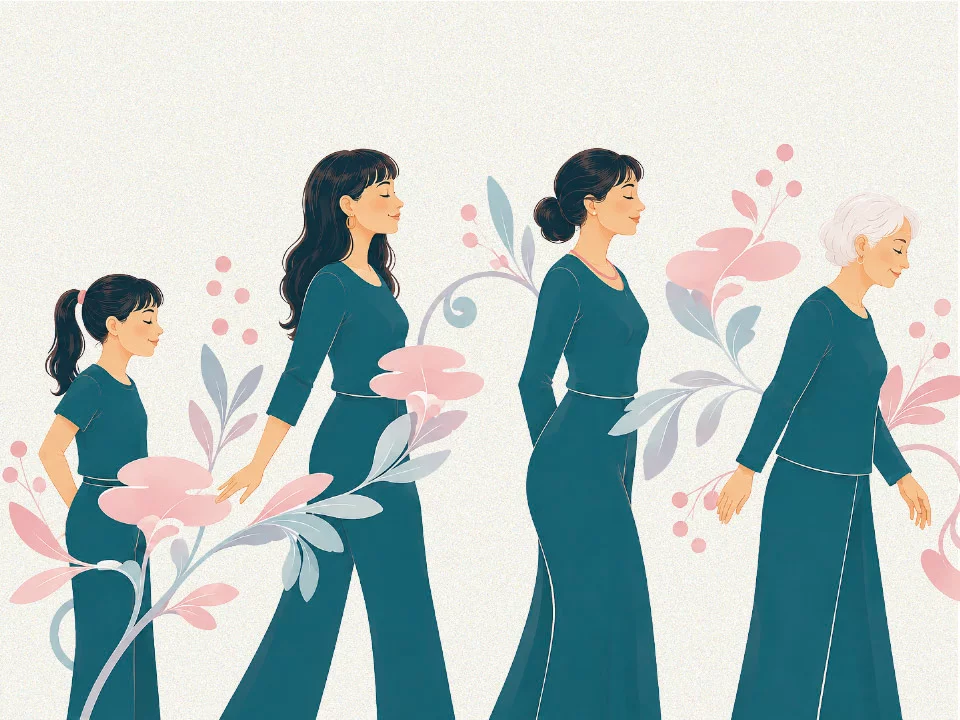
What's their secret? Researchers say the key to a long lifespan is a strong health span – preventing or conquering chronic illness through exercise, healthy diet and strong social connections. Longevity experts say oral health is linked to all three. But maintaining oral health over 10 decades can be challenging – particularly for women, whose lifetime of hormonal changes can affect gum and tooth health.
What is Oral Health?
Oral health goes well beyond avoiding or filling cavities. As we get older, we become susceptible to "oral frailty" – think fewer teeth, reduced chewing ability and even difficulty swallowing. These add up to poorer nutrition and increased inflammation that has been linked to mobility issues, heart issues, cancer and cognitive decline. What do you need to do today to keep your smile healthy for decades to come?
Benefits of Oral Health Habits in Children and Teens
In an extensive study, Japanese researchers found that early oral health habits help people build a kind of "health reserve" over time. Think of it like a retirement savings account, but for your heart, brain and oral health.
Oral Health in your 20's and 30's
Your dentist may recommend a salivary screening test, which can reveal your risk of developing oral and systemic diseases. The same bacteria found in infected gums has been found elsewhere in the body – including in the plaque that can cause heart disease and in the brain, where it may increase a person's risk of dementia. Fighting that plaque today may reduce your risk of illness later.
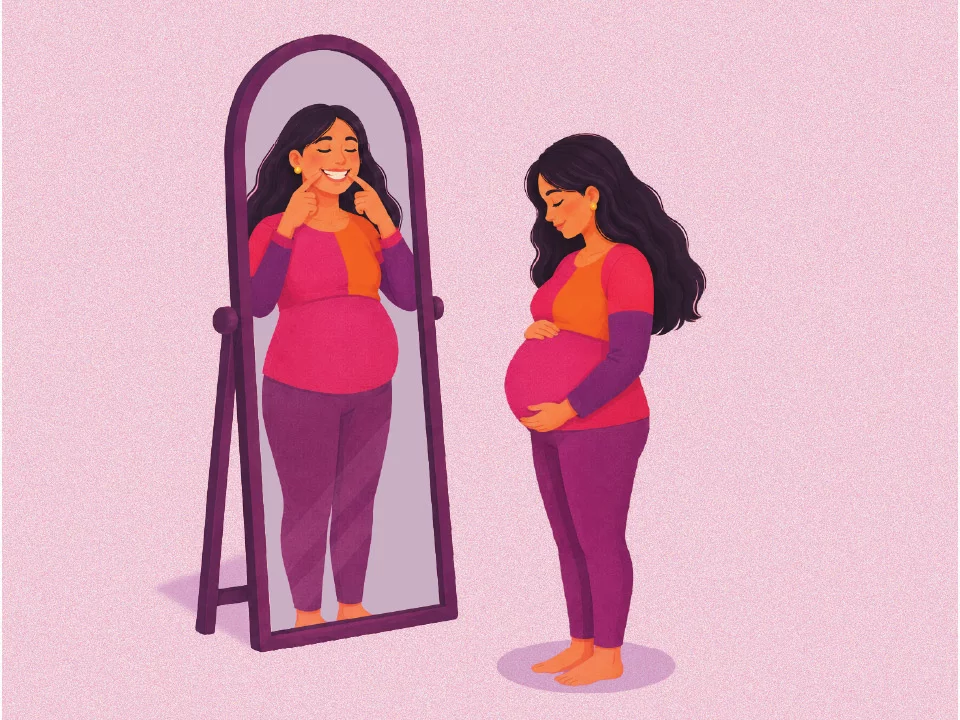
Pregnancy adds another layer: Hormonal surges can trigger "pregnancy gingivitis," and untreated gum disease has been linked to preterm birth and low birth weight. Finding a dentist and a primary care doctor who understands the Mouth-Body Connection® creates a lifelong collaboration between your dental and medical professionals that emphasizes the role your oral health plays in healthy aging.
40's Perimenopause and Oral Health
Estrogen starts to drop in these decades, leaving the teeth and gums up to 60 percent more susceptible to periodontal deterioration and disease. Reduced estrogen also accelerates bone loss – including the jawbone that anchors your teeth. As women are more likely to develop osteoporosis, this connection between bone loss and oral health is important for women to keep in mind. Be sure to tell your dentist about any bone-density medications, as some can affect dental procedures.
During these decades of hormonal shifts, your dentist may recommend more frequent and deeper teeth cleanings, known as scaling and root planing, to prevent periodontitis down the road.
Menopause, Oral Health, and Dry Mouth
Bone density. Brain and heart health. Strength and balance. Even if a lifetime of good oral health habits pays off with healthy aging, don't skip out on preventive care now: The rate of tooth decay in people over 65 outpaces that of schoolchildren! Oral bacteria during these decades may contribute to tooth loss and other issues with chewing that could affect nutrition and physical strength.
One often-overlooked challenge in these years is dry mouth (xerostomia). Decreased estrogen slows saliva production, and many medications women commonly take later in life – for blood pressure, mood or other conditions – make it worse. Less saliva means more cavities, more gum irritation and more difficulty chewing. Working with your dentist to maintain your smile helps you to eat well and stay socially connected – and strong social ties are one of the pillars of a long, healthy life.
What Does a Healthy Centenarian Mouth Look Like?
Most things change over time, but the benefit of preventive care never does. Healthy 100-year-old women still need to see their dentists twice a year and maintain good oral hygiene. (But they're probably wise enough to know this by now.)
While there is no guaranteed roadmap to hitting 100, taking care of your health – including your oral health – just may improve your odds. And one day, as you tell your grandchildren all about the "good old days" of the early 21st century, you will be able to greet their wide-eyed fascination with a big, healthy smile.
Find your trusted, local dentist today!
Smile Generation blog articles are reviewed by a licensed dental professional before publishing. However, we present this information for educational purposes only with the intent to promote readers’ understanding of oral health and oral healthcare treatment options and technology. We do not intend for our blog content to substitute for professional dental care and clinical advice, diagnosis, or treatment planning provided by a licensed dental professional. Smile Generation always recommends seeking the advice of a dentist, physician, or other licensed healthcare professional for a dental or medical condition or treatment.