
As you age, keeping your natural teeth becomes about more than just your smile. It’s about your overall health.
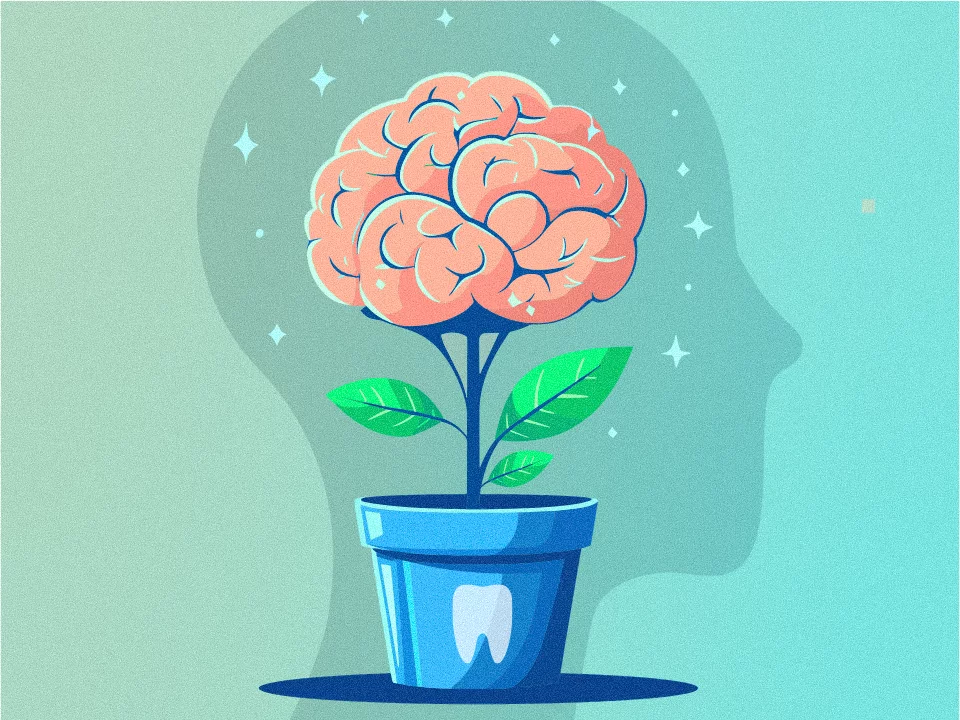
A full set of healthy teeth allows you to chew comfortably, maintain proper alignment, and enjoy a wide variety of nutritious foods. What many people don’t realize is that losing teeth is linked to conditions such as dementia and Alzheimer’s disease, showing how oral health is connected to brain health.
There’s a growing body of research showing that tooth loss may be associated with changes in cognitive function — including memory, thinking, and language. In simple terms, the more teeth people lose over time, the higher their risk may be for cognitive decline.
That doesn’t mean tooth loss causes these conditions, but the connection is strong enough that it can’t be ignored. So why does this happen?
How Chewing Stimulates Brain Function
Every time you chew, you’re activating sensory pathways that help stimulate brain function. When teeth are missing, that stimulation decreases over time, which may impact how the brain functions.
The Role of Nutrition in Cognitive Health
When chewing becomes difficult, many people naturally shift toward softer, more processed foods. Over time, this can reduce the quality and variety of nutrients their brain depends on.
How Gum Disease and Oral Bacteria May Affect the Brain
Gum disease allows harmful bacteria to enter the bloodstream, and research suggests these bacteria may reach the brain and contribute to inflammation.
It’s also important to understand that this relationship can go both ways. As cognitive function declines, daily habits like brushing and flossing may become more difficult, increasing the risk of gum disease and tooth loss.
How to Protect Your Oral Health and Brain Health
The good news is that you have more control than you think. Protecting your oral health today can support your long-term wellness.
• Stay consistent with your hygiene. Brush twice a day and floss daily. It sounds simple, but consistency is everything.
• Keep up with regular dental visits. Professional cleanings and exams help prevent issues before they become more serious.
• Replace missing teeth. If you’ve lost teeth, restoring your ability to chew properly with implants, bridges, or dentures isn’t just about aesthetics — it supports function, nutrition, and overall health.
The Bigger Picture: Healthy Teeth Support Healthy Aging
Your oral health is not separate from the rest of your body — it’s deeply connected. Taking care of your teeth and gums today isn’t just about how your smile looks. It’s about how you feel, how you function, and how you age.
And in many ways, it’s an investment in keeping your mind strong for years to come.
Find your trusted, local dentist today!
Smile Generation blog articles are reviewed by a licensed dental professional before publishing. However, we present this information for educational purposes only with the intent to promote readers’ understanding of oral health and oral healthcare treatment options and technology. We do not intend for our blog content to substitute for professional dental care and clinical advice, diagnosis, or treatment planning provided by a licensed dental professional. Smile Generation always recommends seeking the advice of a dentist, physician, or other licensed healthcare professional for a dental or medical condition or treatment.