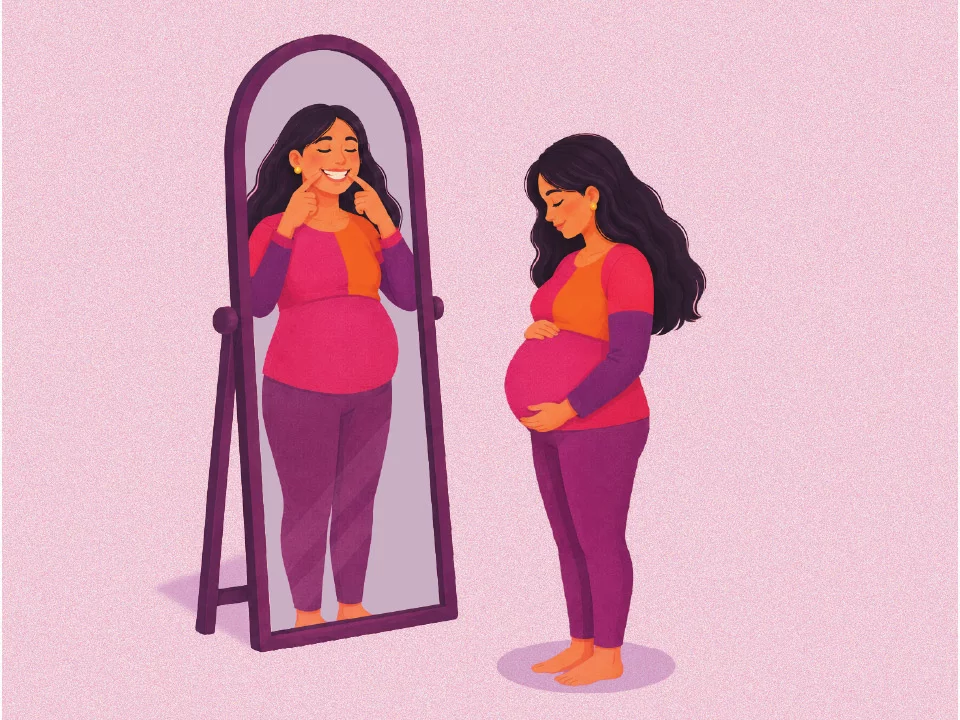


Blog Summary: Hormonal birth control can impact your oral health by increasing gum sensitivity, inflammation, or recession. This article explains why these changes happen and what steps you can take to protect your gums.
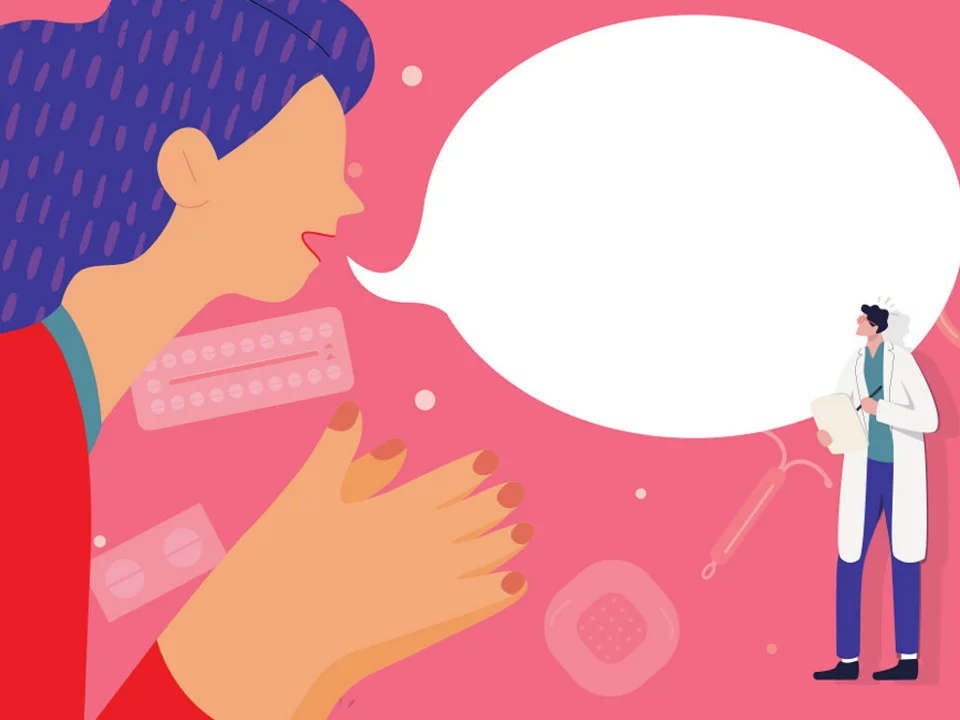
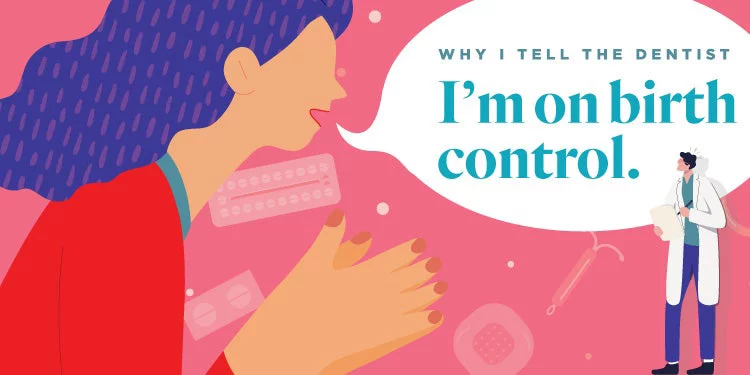
When it comes to birth control and the hormone levels they create, there can be changes to your teeth and gums. If you take birth control, you should tell your dentist when you visit. It is necessary because the birth control you take—and the hormones that are usually part of it—also affect your oral health. Here's what you need to know about your birth control and oral health.
The Different Types of Birth Control
Hormonal Birth Control
“When we’re taking hormonal birth control like the pill, the shot, vaginal ring, or hormonal intrauterine device (IUD), that is increasing your body’s hormones progesterone and estrogen, and these increased levels can cause our gums to become red, sensitive, or swollen.” – Dr. Lulu Tang, DMD
The Pill: Taking a pill by mouth every day prevents pregnancy, and, when used correctly, it can be 99.9 percent effective.[2]
Non-Hormonal Birth Control
Hormonal Imbalance Side Effects
Hormones are essential to managing body processes, like your metabolism, sexual function, sleep cycles, and mood. When they get out of whack, it can create wacky effects in your body. Hormonal imbalances can cause conditions like irregular periods, infertility, acne, and more serious ones like diabetes, thyroid disease, and obesity. [8]
- Slow or rapid heartbeats
- Unexplained weight gain or loss
- Feeling tired
- Constipation, diarrhea, or an increase in bowel movements
- Numbness or tingling in your hands
- High cholesterol
- Depression or anxiety
- Temperature sensitivity
- Dry hair or skin
- Irregular body fat distribution
- Darkened skin or skin tags
- Extreme thirst and overactive bladder
- Acne
- Hair loss
- Heavy periods
- Excess body hair
- Hot flashes
- Infertility
- Irregular periods
- Loss of sex drive
- Vaginal dryness
- Vaginal atrophy
What Are the Side Effects of Birth Control on Oral Health?
“Our hormonal changes… are causing this increased risk for problems in the mouth, teeth, and gums.” – Dr. Lulu Tang, DMD
Hormones and teeth are related, too. The critical influence is the hormone changes that occur with birth control methods like oral contraceptives. Changes in natural hormones change how your body responds to the plaque on your teeth and the blood supply to the gums. [11] Women might experience a few side effects in their mouths as a result of these hormonal changes, which can include:
Receding Gums: When the gum tissue is infected, it pulls back from the teeth and wears away, exposing more of the tooth or the tooth's root.
Changing Hormones Effect on Oral Health
Another Important Reason to Tell Your Dentist about Your Birth Control
In addition to the reasons above, there is another fundamental reason you should tell your doctor about what birth control you use. There are prescription antibiotics that you might need that decrease oral contraceptive effectiveness. In addition to the method you use, it would help your dental team to know the dosage of the hormones involved (which should be on the package or online if you don't already know). [17]
“It’s really important that we are making sure that everyone does regular dental care visits… so that we can manage their oral health and in turn manage their overall health.” – Dr. Lulu Tang, DMD
Find a Dentist Near You
For more information or to find a Smile Generation-trusted dentist near you use our Find a Dentist Tool.
Find your trusted, local dentist today!
Sources
[1] https://www.webmd.com/sex/birth-control/hormonal-methods-of-birth-control-directory?catid=1006
[2] https://www.webmd.com/sex/birth-control/birth-control-pills
[3] https://www.webmd.com/sex/birth-control/birth-control-depo-provera
[4] https://www.webmd.com/sex/birth-control/vaginal-ring-birth-control
[5] https://www.webmd.com/sex/birth-control/iud-intrauterine-device
[6] https://www.webmd.com/sex/birth-control/birth-control-transdermal-patches
[7] https://www.webmd.com/sex/birth-control/birth-control-implants-types-safety-side-effects
[8] https://my.clevelandclinic.org/health/diseases/22673-hormonal-imbalance
[9] https://my.clevelandclinic.org/health/diseases/22673-hormonal-imbalance
[10] https://my.clevelandclinic.org/health/diseases/22673-hormonal-imbalance
[11] https://my.clevelandclinic.org/health/articles/11192-hormones-and-oral-health
[12] https://www.colgate.com/en-us/oral-health/adult-oral-care/birth-control-side-effects-oral-health
[13] Taichman LS, Sohn W, Kolenic G, Sowers M. Depot medroxyprogesterone acetate use and periodontal health in 15- to 44-year-old US females. J Periodontol. 2012;83(8):1008-1017. doi:10.1902/jop.2012.110534
[14] Dutt P, Chaudhary S, Kumar P. Oral health and menopause: a comprehensive review on current knowledge and associated dental management. Ann Med Health Sci Res. 2013;3(3):320-323. doi:10.4103/2141-9248.117926
[15] https://my.clevelandclinic.org/health/articles/11192-hormones-and-oral-health
[16] https://my.clevelandclinic.org/health/articles/11192-hormones-and-oral-health
[17] https://my.clevelandclinic.org/health/articles/11192-hormones-and-oral-health
Smile Generation blog articles are reviewed by a licensed dental professional before publishing. However, we present this information for educational purposes only with the intent to promote readers’ understanding of oral health and oral healthcare treatment options and technology. We do not intend for our blog content to substitute for professional dental care and clinical advice, diagnosis, or treatment planning provided by a licensed dental professional. Smile Generation always recommends seeking the advice of a dentist, physician, or other licensed healthcare professional for a dental or medical condition or treatment.