



Blog Summary Regular physical exams are a key part of preventive healthcare, helping detect potential issues early and support long-term wellness. This guide explains what a physical exam includes, why routine checkups matter, how to prepare, and what to expect at different ages—empowering patients to take a proactive role in managing their health.
A primary care provider’s job centers on keeping their patients healthy. One of the best ways to ensure good health is through regular physical exams. Physical exams allow providers to evaluate vital signs and identify potential concerns about your health. This form of preventative care helps detect problems early, giving patients a better chance to address issues before they worsen or to begin treatment promptly.
What Is a Physical Exam?
A physical exam is a routine medical assessment performed by either a primary care physician or nurse practitioner to evaluate overall health and detect potential medical issues. It typically includes checking vital signs, such as:
- Blood Pressure
- Heart Rate
- Temperature
- Body mass index (BMI)
This exam involves taking a closer look at the body for abnormalities. The primary care provider (PCP) will also discuss factors that influence health, such as medical history, lifestyle choices, and any symptoms the patient has noticed. Depending on finding, additional tests such as blood work or imaging may be ordered.
Why Are Regular Physical Exams Important?
The greatest benefit of routine physical exams is early detection. Identifying health problems, even before symptoms develop, allows for timely intervention and can improve long term outcomes. According to a meta-analysis of seven observational studies, annual physical exams were "significantly associated with a 45% lower hazard of mortality". [1]
Physical exams also provide an opportunity to review preventive care measures such as vaccinations and lifestyle habits, including:
- Diet
- Activity level
- Tobacco use
- Alcohol consumption
Positive changes in these areas contribute significantly to long-term health.
How to Prepare for Your Physical Exam
While most physical exams last about 30 minutes, a little preparation ensures accurate results and a productive visit.
Before leaving home, gather important information to share with your healthcare professional:
- Your medical history
- A list of current medications you are taking, including dosages
- Any known allergies
Avoid making temporary lifestyle changes solely for the exam, your primary care provider needs an accurate picture of your usual health. However, within 24 hours before your annual health check, avoid:
- Heavy meals
- Caffeine
- Strenuous exercise
Depending on your age and medical risk factors, your doctor may require fasting before certain blood tests. Always check with your healthcare provider ahead of time to confirm any specific instructions.
It can be easy to forget questions or symptoms you want to discuss. Write down anything you want to discuss during the visit.
Always arrive at least 15 minutes early to complete necessary paperwork and ensure a smooth check-in process.
What Happens During a Physical Exam
Your primary care provider will begin by reviewing your medical history, current medications, symptoms, and lifestyle habits such as:
- Diet
- Exercise
- Sleep
Next, they will conduct routine assessments including:
- Blood pressure measurement
- Pulse and heart rate
- Respiratory rate
- Temperature
- Height and weight
- Reflex testing
- Evaluation of abdominal tenderness and organ size
- Assessment of strength and flexibility
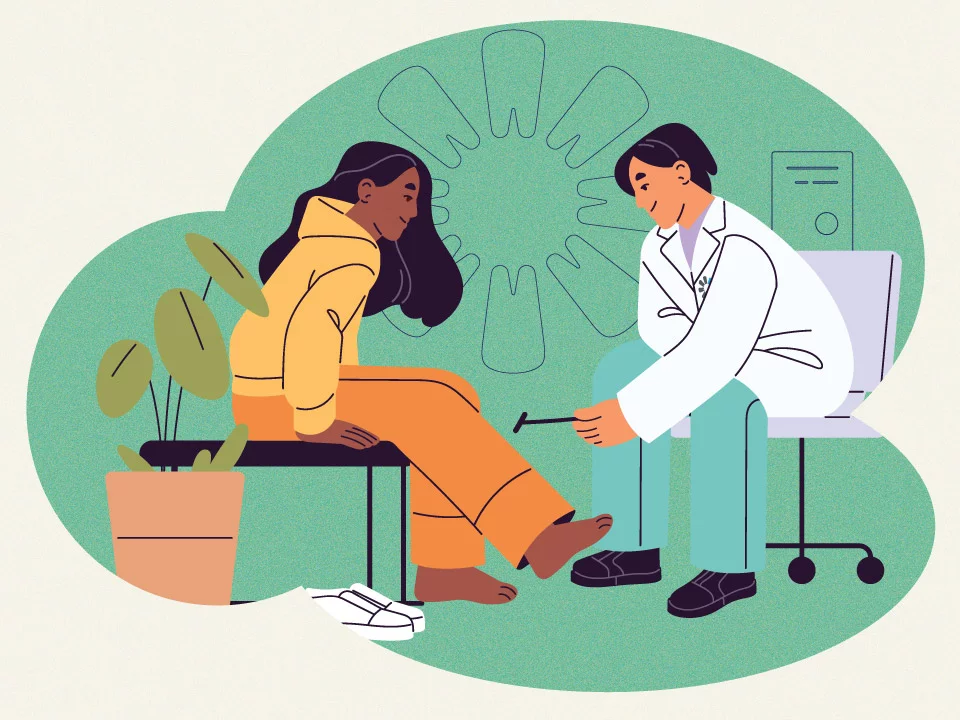
After the basic assessments, the provider will perform a head-to-toe exam. They will check the ears, nose, throat, and eyes for signs of infection or irregularities. Using a stethoscope, your PCP listens to your heart, lungs, and intestines to detect murmurs, arrhythmias, breathing issues, or other abnormalities. [2]
The skin is also inspected for rashes, moles, or other abnormalities. Depending on age and risk factors, gender specific screening (such as breast or testicular exams) may also be performed.
Common Tests and Screenings Performed in a Physical Exam
Tests and screenings vary based on age, gender, medical history, and risk factors, but commonly include:
Blood tests: Evaluate cholesterol, blood sugar, and blood cell counts. Additional tests may assess thyroid function, vitamin levels, kidney and liver health.
Urinalysis: Screens for urinary tract infections, kidney issues, and metabolic conditions.
Vision and hearing tests: Important for older adults or those with symptoms.
Cancer screenings:
- Women may undergo pap smears, pelvic exams, and mammograms.
- Men may be screened for testicular and prostate cancers.
- Both genders may receive skin exams or colon cancer screenings.
- Bone density scans: Measure both strength and assess osteoporosis risk.
Physical Exams for Different Age Groups
Physical exams vary across age groups to address unique health needs.
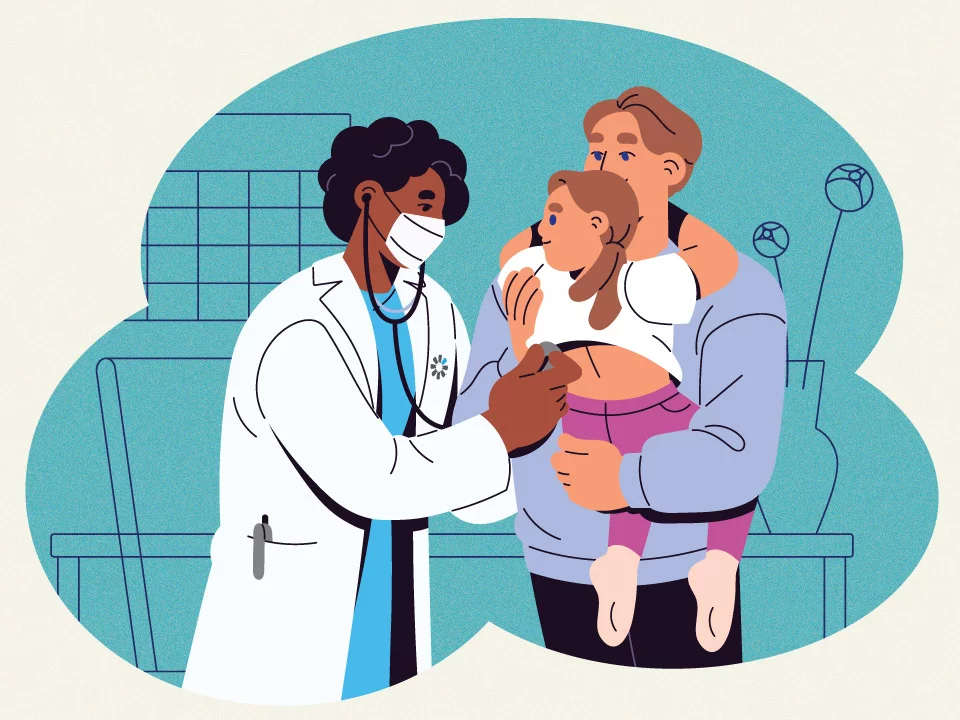
Infants and toddlers:
Frequent wellness visits monitor growth, development, and milestones. Providers track weight, height, and head circumference and administer recommended immunizations.
Children and adolescents:
Annual exams assess growth, puberty, and emotional health. Providers may check vision, hearing, and posture. Vaccinations and guidance on nutrition, exercise, and mental health are included.
Young adults (under 40):
Focus on preventive care and lifestyle health. Screenings may include cholesterol, sexually transmitted infections, and reproductive health concerns. Women typically begin cervical cancer screening at age 21.
Middle-aged adults (40 – 65):
Screenings target age-related risks such as heart disease, diabetes, and cancer. Women usually begin routine mammograms at age 40. Men often begin prostate cancer discussions closer around age 50. Cholesterol, blood pressure, and weight are closely monitored.
Older adults (65+):
Emphasis to chronic disease management, bone density testing, cognitive health, and vaccinations ( flu, pneumonia, shingles). Fall prevention and mobility are key areas of focus.
When to Schedule Your Next Physical Exam
The frequency of physical exams depends on age, gender, and overall health.
Children and adolescents: Annual exams are recommended to monitor development and maintain vaccination schedules. Sports programs often require physical exams.
Healthy young adults: Every two years is typical, unless medical conditions or risk factors warrant more frequent checks. Still annual visits provide meaningful preventive discussions that help support long-term health.
Adults 40 +: Exams become annual again. Women begin regular mammograms around age 40, and most men begin prostate cancer screening around age 50 (earlier if at higher risk). Cholesterol, blood pressure, and diabetes screening are important during this stage.
Older adults: Annual exams remain important for managing chronic disease, assessing bone density, and ensuring recommended vaccinations and cancer screenings are up to date.
Knowing how often to schedule physical exams and what to expect helps you stay proactive about your health.
Find your trusted, local medical provider today!
Sources
[1] Should We Abandon Annual Physical Examination? – A Meta-analysis of Annual Physical Examination and All-cause Mortality in Adults Based on Observational Studies, Science Direct, Aug. 2022, https://www.sciencedirect.com/science/article/abs/pii/S009174352200179
[2] Auscultation, NIH, April 27, 2023, https://medlineplus.gov/ency/article/002226.htm
Smile Generation blog articles are reviewed by a licensed medical professional prior to publishing. The information provided is for educational purposes only and is intended to support readers’ understanding of health and wellness. This content is not meant to replace professional medical advice, diagnosis, or treatment provided by a healthcare professional. We always recommend seeking the advice of a qualified healthcare provider with any questions regarding a medical condition or treatment.