

Blog Summary Women’s oral health changes throughout life due to hormonal shifts during puberty, menstrual cycles, pregnancy, and menopause. This article explains how these changes affect teeth, gums, and overall oral health, and what steps women can take to protect their smiles at each stage.
They are the reason a goofy romantic comedy makes you cry, or sometimes, even just a really good commercial. They are why you have curves, and why those curves sometimes feel squeezed in your jeans, for a couple of days a month, anyway. They are why you can have children and why you really like (need, must have) chocolate, for a couple of days a month anyway.
What is Oral Health?
If you look at the definition by the CDC, oral health is the condition of the teeth, gums, and the oral-facial system that makes it so you can chew, smile, and speak.

How Do Women’s Hormones Affect Oral Health?
Hormones affect everything about women’s health, including their oral health. Hormonal changes or imbalances during puberty, pregnancy, and menopause influence biological functions like blood circulation to the mouth or how much saliva the body produces. These changes can lead to oral health issues like sensitive or bleeding gums, early-stage gum disease, or other oral problems.
“Our hormonal changes during our menstrual cycle, pregnancy, or even menopause, is causing this increased risk for problems in the mouth, teeth, and gums.” – Dr. Lulu Tang, DMD

How Does My Menstrual Cycle Affect Oral Health?
How Does Birth Control Affect Oral Health?
Oral contraceptives can cause other oral health problems, too. For example, the decrease in natural estrogen because of birth control pill use is linked to temporomandibular (TMJ) disorders, which affect the joint that connects your jaw to your head. When you combine this disorder with the lower estrogen levels, some women have increased inflammation, too, which could lead to developing osteoarthritis in their joints.[iii]

How Does Pregnancy Affect Oral Health?
Pregnancy also has an enormous influence on women's oral health. Teeth sensitivity and pain are common for pregnant women. In addition to the changes in hormones, experts think that disruptions to many women's home care routines (i.e., not wanting to brush teeth in the morning because of morning sickness, for one) might contribute to it. Usually, the sensitivity and pain will go away after the baby is born.
“Any patient that shares with me that they’re trying to conceive, going through IVF, or even have had histories of miscarriage, I always empower them—let’s do the saliva testing. We need to know what’s happening.” – Dr. Bianca Velayo, DMD
Dental care does not put a woman's safe pregnancy at risk. Women need to keep up with routine dental care during pregnancy. If there are dental problems during pregnancy, dental professionals know how to treat tooth decay during pregnancy and other issues.
“We print out the results, I review it with their OBGYN… oftentimes that oral health link is one of the missing pieces of the puzzle that’s affecting their overall health.” – Dr. Bianca Velayo, DMD
Dental hygiene in pregnancy is also critical. Also, it is essential for women to talk to their dentist about any problems they are having with the gums to determine if any intervention is necessary to maintain a healthy pregnancy. If would like to read more in depth about how pregnancy causes changes in your oral health, check out "Oral Health During your Pregnancy" blog.
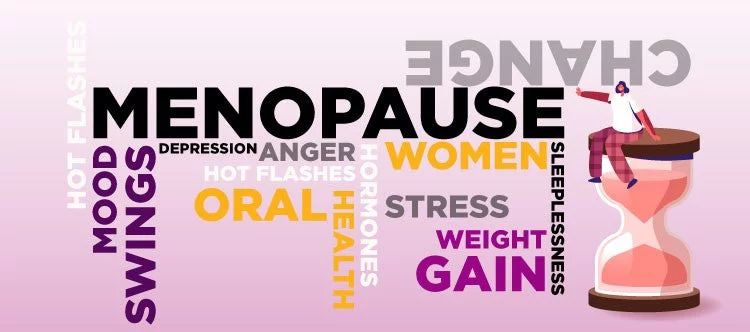
How Does Menopause Affect Oral Health?
These changes in oral health are just one of the many things happening to women during menopause. However, consistent home care and regular dentist visits are the best defense against any adverse effects menopause might have on women's oral health. In some cases, your dental team might prescribe something to help counteract the dry mouth symptoms, and toothpaste with more fluoride than usual to protect your teeth. To learn more in-depth about how menopause can change your oral health read our "What to Expect for your Oral Health During Menopause" blog.
“I’ve been able to be part of many people’s pregnancy journeys, positive pregnancy stories… we’re here for education and telling people how we can be healthier.” – Dr. Bianca Velayo, DMD
Did We Answer Your Questions About Oral Health?
For more information or to find a Smile Generation-trusted dentist near you, use our Find a Dentist Tool.
Find your trusted, local dentist today!
Sources
[i] Bencosme, RDH, MA, CHES J. Sex-Based Differences in Oral Health - Dimensions of Dental Hygiene | Magazine. dimensionsofdentalhygiene.com. https://dimensionsofdentalhygiene.com/article/sex-based-differences-in-oral-health/. Published 2016. Accessed June 6, 2022.
[i] Hormones and Oral Health. my.clevelandclinic.org. https://my.clevelandclinic.org/health/articles/11192-hormones-and-oral-health. Accessed June 6, 2022.
[ii] Birth Control Side Effects And Oral Health | Colgate®. Colgate.com. https://www.colgate.com/en-us/oral-health/adult-oral-care/birth-control-side-effects-oral-health. Accessed June 6, 2022.
[iii] Birth Control Side Effects And Oral Health | Colgate®. Colgate.com. https://www.colgate.com/en-us/oral-health/adult-oral-care/birth-control-side-effects-oral-health. Accessed June 6, 2022.
[i] Pregnancy and Oral Health – Centers for Disease Control. Cdc.gov. https://www.cdc.gov/oral-health/hcp/conversation-tips/talking-to-pregnant-women-about-oral-health.html Accessed January 21, 2022.
[ii] Women's Hormones and Dental Health - American Dental Association. Mouthhealthy.org. https://www.mouthhealthy.org/en/az-topics/h/hormones. Accessed January 18, 2022.
[iii] Committee Opinion: Oral Health Care During Pregnancy and Through The Lifespan. Acog.org. https://www.acog.org/-/media/project/acog/acogorg/clinical/files/committee-opinion/articles/2013/08/oral-health-care-during-pregnancy-and-through-the-lifespan.pdf. Published 2013. Accessed January 19, 2022.
[iv] Turton M, Africa CWJ. Further evidence for periodontal disease as a risk indicator for adverse pregnancy outcomes. Int Dent J. 2017;67(3):148-156. doi:10.1111/idj.12274
[v] Radochova V, Stepan M, Kacerovska Musilova I, et al. Association between periodontal disease and preterm prelabour rupture of membranes. J Clin Periodontol. 2019;46(2):189-196. doi:10.1111/jcpe.13067
[vi] O'Connor A. Bleeding Gums and Sore Mouth During Pregnancy. What to Expect. https://www.whattoexpect.com/pregnancy/symptoms-and-solutions/gums-bleeding-sore.aspx. Published 2022. Accessed January 20, 2022.
[vii] Sensitive Teeth During Pregnancy: What To Expect And How To Cope. Colgate.com. https://www.colgate.com/en-us/oral-health/oral-care-during-pregnancy/sensitive-teeth-during-pregnancy-what-to-expect-and-how-to-cope. Accessed January 20, 2022.
[i] Dahiya P, Kamal R, Kumar M, Niti, Gupta R, Chaudhary K. Burning mouth syndrome and menopause. Int J Prev Med. 2013;4(1):15-20.
[ii] Taga, T., Ito, K., Takamatsu, K. et al. Menopausal symptoms are associated with oral sensory complaints in perimenopausal women: an observational study. BMC Women's Health 21, 262 (2021). https://doi.org/10.1186/s12905-021-01401-6
Smile Generation blog articles are reviewed by a licensed dental professional before publishing. However, we present this information for educational purposes only with the intent to promote readers’ understanding of oral health and oral healthcare treatment options and technology. We do not intend for our blog content to substitute for professional dental care and clinical advice, diagnosis, or treatment planning provided by a licensed dental professional. Smile Generation always recommends seeking the advice of a dentist, physician, or other licensed healthcare professional for a dental or medical condition or treatment.